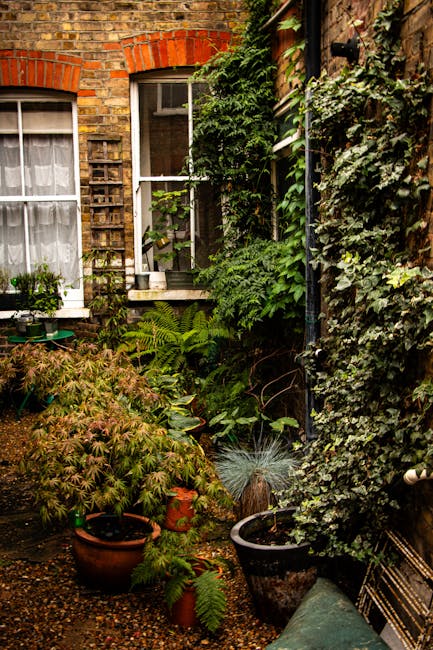
Essex Road Islington gardeners for narrow front gardens
If you live near Essex Road and your front garden feels more like a corridor than a garden, you are not alone. Narrow front plots in Islington bring a very specific set of challenges: limited width, awkward access, shade from buildings or boundary walls, and not much room for mistakes. The good news? With the right approach, Essex Road Islington gardeners for narrow front gardens can turn a cramped strip into a smart, tidy, welcoming space that actually works day to day.
This article walks through what matters, how professional gardeners approach tight front spaces, and what to look for if you are deciding whether to refresh, replant, or completely redesign the area. We will also cover practical steps, common pitfalls, and the kind of small decisions that make a big difference. Truth be told, narrow gardens punish lazy planning. But they also reward careful ones.
Whether you want better kerb appeal, lower maintenance, more privacy, or just a front garden that does not feel cluttered every time you open the gate, you will find something useful here.
Table of Contents
- Why Essex Road Islington gardeners for narrow front gardens Matters
- How Essex Road Islington gardeners for narrow front gardens Works
- Key Benefits and Practical Advantages
- Who This Is For and When It Makes Sense
- Step-by-Step Guidance
- Expert Tips for Better Results
- Common Mistakes to Avoid
- Tools, Resources and Recommendations
- Law, Compliance, Standards, or Best Practice
- Options, Methods, or Comparison Table
- Case Study or Real-World Example
- Practical Checklist
- Conclusion
- Frequently Asked Questions
Why Essex Road Islington gardeners for narrow front gardens Matters
Narrow front gardens are a very Islington problem in the best possible sense: compact, urban, full of character, and often squeezed between practical needs and visual expectations. On Essex Road, the front garden often has to do a lot at once. It should look good from the street, allow easy access to the property, and not become a daily nuisance with overgrown plants or messy edges.
A well-managed front garden also changes how a home feels. You notice it when you come back in the evening, keys in one hand and shopping in the other. A tidy path, a calm planting scheme, and a bit of breathing space can make a small frontage feel intentional instead of overcrowded. That sounds simple, but the effect is real.
For narrow plots, the margin for error is tiny. Choose plants that spread too much, and the path closes in. Add hard landscaping without thinking about drainage, and you get puddles or awkward maintenance. Plant too many different things, and the space starts to feel busy. Good gardeners understand these trade-offs and plan for them from the outset.
There is also a practical side. Narrow front gardens often sit close to pavements, walls, railings, basement light wells, or steps. That means access, safety, and upkeep matter more than in a larger suburban plot. A sensible design has to look attractive and remain easy to keep under control. In our experience, that is where local knowledge really helps.
How Essex Road Islington gardeners for narrow front gardens Works
Working on a narrow front garden is less about adding more and more features, and more about making careful choices. The process usually starts with assessment: measuring the space, checking light levels, noting drainage, looking at soil condition, and understanding how the area is used. Is there a bin route? Do you need room to bring bikes in and out? Is the front gate opening awkwardly? These small details shape the design.
From there, gardeners usually focus on a few core questions:
- How can the space look balanced without feeling crowded?
- Which plants suit the light, shelter, and maintenance level?
- Can the layout improve access rather than block it?
- What hard surfaces, edging, or containers make upkeep easier?
After that comes the practical work. This may include clearing tired planting, reducing overgrown shrubs, reworking borders, improving soil, defining edges, laying new gravel or paving, or introducing vertical planting to save floor space. Sometimes the best result is a light-touch tidy-up. Sometimes it is a full redesign. The right answer depends on what is already there.
Good narrow-garden work is almost always layered. You need structure first, then planting, then detail. If you reverse that order, the garden may look lovely for a month and then start behaving badly. Very common, that one.
For a broader view of what a garden service can include, it can help to look at a complete services overview before deciding what level of help you need.
Key Benefits and Practical Advantages
A properly planned narrow front garden does more than improve appearances. The advantages are both visual and practical, and the two often support each other.
1. Better use of limited space
When every inch matters, the layout needs to earn its place. A well-designed border, a slimmer path, or a set of compact containers can make the whole area feel wider and more breathable. The aim is not to fill every gap. Quite the opposite.
2. Easier maintenance
A good design should reduce hassle, not create it. That might mean using fewer, tougher plants, improving edging so weeds do not creep in, or replacing fiddly elements with simple surfaces that sweep clean quickly. If a garden takes an hour every weekend just to look acceptable, something has gone wrong.
3. More privacy and a softer street view
Narrow front gardens often face directly onto the road, so privacy can be a concern. Carefully chosen planting can soften views from passers-by without blocking light or making the frontage feel heavy. For some homes, even a modest change makes the entrance feel calmer and more considered.
4. Improved property presentation
First impressions matter, especially in a street of close-set homes where the frontage is visible from several angles. A neat front garden can complement the building style and help the whole property feel looked after. That matters whether you are staying for years or simply want the house to feel more polished.
5. Better seasonal resilience
Small gardens are prone to extremes. They can dry out fast in summer and become compacted in winter. Gardeners who understand narrow London plots will often choose plants and materials that cope with these shifts more reliably.
Expert summary: The best narrow front gardens are not the busiest or the most decorative. They are the ones that feel balanced, easy to move through, and simple to maintain over time.
Who This Is For and When It Makes Sense
This kind of garden service is a strong fit if your front garden feels awkward, neglected, or overpacked. It is especially useful if you are dealing with one or more of the following:
- a narrow frontage with little room for side access
- plants that have outgrown the space
- patchy paving, tired soil, or poor drainage
- a garden that looks messy far too quickly
- the need for more privacy without closing off the home
- an entrance that should feel more welcoming
It also makes sense if you are considering a small-scale redesign rather than a full rebuild. A lot of people assume they need a huge landscaping project to improve the frontage. Not always. Sometimes a proper rework of the borders, a better path line, and the right planting mix are enough to completely change the feel of the space.
If your current garden is basically functioning, but not quite right, that is usually the sweet spot. The work is targeted. Efficient. And far less disruptive than starting from scratch.
For a related local perspective on compact urban planting, you may also find the ideas in this guide to small courtyard gardens in Islington useful, especially if your frontage has a similarly tight footprint.
Step-by-Step Guidance
If you are planning work on a narrow front garden, it helps to think in stages. Rushing straight to planting is where people get into trouble. Here is a more reliable route.
Step 1: Measure the usable space
Get a clear sense of what is actually available, not just what looks available. Include gates, steps, utility covers, wall offsets, and the space needed for opening doors or carrying items in and out. This sounds obvious, but it is often missed.
Step 2: Identify the main job of the garden
Ask what the garden needs to do most. Is it mainly decorative? Does it need to soften a hard frontage? Do you want privacy, drainage improvement, or easier access? Narrow gardens usually work best when they have one or two clear priorities rather than five competing ones.
Step 3: Clear what is not working
Remove dead material, overgrown shrubs, broken edging, tired pots, and anything that makes the space feel cramped. Sometimes the simplest transformation comes from subtraction. You know that feeling when a space suddenly breathes again? That.
Step 4: Improve the structure
Decide on the bones of the design: path shape, border width, surface type, and any fixed features such as railings, trellises, or low walls. In narrow spaces, structure matters more than ornament.
Step 5: Choose planting carefully
Select plants that suit the light and the space. Compact evergreens, restrained perennials, and seasonal planting can work well. Avoid anything that will quickly flop, spread too widely, or need constant cutting back.
Step 6: Add vertical interest
When ground space is limited, vertical elements help. Trellis, climbers, slim shrub forms, and wall-mounted features can add height without eating into the walkway. Used well, they make the garden feel less flat and more finished.
Step 7: Plan maintenance from day one
This is the bit that keeps the garden looking good six months later. Leave room for pruning, watering, sweeping, and access. If maintenance looks inconvenient during the design stage, it will be worse in real life. Guaranteed, almost.
Expert Tips for Better Results
Here are the small decisions that separate a decent narrow front garden from a really good one.
- Keep the palette restrained. Two or three repeating plant types often look better than a crowded mix.
- Use repetition for calm. Repeating shapes or textures makes a slim space feel more deliberate.
- Think in layers. Combine ground cover, mid-height planting, and one vertical feature for depth.
- Leave negative space. Empty space is not wasted space. It gives the eye somewhere to rest.
- Choose edging that stays neat. A crisp edge can make a modest planting scheme look much more refined.
- Match materials to the house. Brick, railings, and paving should feel like they belong with the building, not fight it.
One useful rule of thumb: if you cannot explain the purpose of a plant or feature, it probably should not be there. Harsh? Maybe. True? Very often.
It also helps to think about how the frontage looks at different times of day. Morning light can be soft and forgiving; by late afternoon, strong shadows may reveal every awkward decision. A good design still looks composed when the angle changes.
If your front garden is part of a wider outdoor improvement plan, it is worth reviewing options like landscape gardening or more modest landscaping work, depending on how far you want to go.
Common Mistakes to Avoid
Narrow front gardens have a way of exposing bad choices quickly. Here are the mistakes that come up most often.
Overcrowding the planting
This is the classic one. People buy plants because they look lovely in a pot, then place too many of them in a narrow bed. Within a season, the frontage feels busy and hard to manage. Aim for restraint.
Choosing plants that grow too wide
Some shrubs and perennials look innocent at the shop and then turn into space-hogging beasts. If a plant has a naturally broad habit, be cautious. In a narrow garden, width matters more than height.
Ignoring access
It is easy to design a pretty front garden that is a pain to use. If the bin needs to pass through, if a pushchair has to fit, or if you regularly carry tools and deliveries through the space, keep that path clear.
Using too many materials
Mixing several paving styles, decorative stones, large containers, and multiple edging types can make a small front garden feel even smaller. Simple usually wins.
Forgetting ongoing maintenance
A design that only works when freshly finished is not really working. Ask how it will look after rain, after wind, after a few weeks of growth. That is the real test.
Leaving drainage to chance
Small front gardens can suffer from splashback, pooling, or compacted soil. If water has nowhere to go, trouble starts quietly and then gets expensive. Not dramatic at first, just annoying. Then worse.
Tools, Resources and Recommendations
Whether you are hiring help or tackling some of the work yourself, a narrow front garden usually benefits from a few practical basics.
- Measuring tape: essential for path widths, planting depth, and checking clearances.
- Sharp secateurs and loppers: useful for trimming shrubs without mangling them.
- Hand fork and trowel: good for tight borders and container work.
- Edging tools: help keep the space crisp and visually controlled.
- Watering can or hose setup: important if the garden has sun-exposed containers or new planting.
- Wheelbarrow or trug: useful for removing waste from a tight front path without endless trips.
If you need the space cleared before any redesign can begin, professional garden clearance can be a sensible starting point. Once the area is clean and readable, the design decisions become much easier.
For maintenance-heavy frontages, ongoing garden maintenance may be the most practical option, especially if you want the place to stay sharp without doing every task yourself.
And if hedges or boundary growth are stealing light or width, hedge trimming may restore the balance more quickly than a full redesign.
Law, Compliance, Standards, or Best Practice
Front gardens in London can involve a few practical considerations beyond looks. While the exact requirements vary by property and local situation, it is sensible to keep a few best practices in mind.
First, do not block public access or create hazards near pavements, steps, or boundary edges. If your frontage sits close to a footpath, plants and structures should stay inside the property boundary and should not encroach in a way that makes movement awkward.
Second, think about drainage and water run-off. A front garden that sheds water toward the pavement or toward the house can create avoidable problems. Good surface choice and sensible grading matter here.
Third, if you are removing larger shrubs, trees, or hard features, take care with safety and waste handling. Sturdy gloves, eye protection, and a cautious approach are basic good practice, especially where roots, masonry, or awkward access are involved. For more detail on standards and safe working expectations, you can review the site's health and safety policy and insurance and safety information.
Finally, if materials are being disposed of or reused, recycling and responsible removal should be part of the plan. A tidy garden should not create an untidy pile somewhere else. The less glamorous side of the job still matters.
For service and booking transparency, it is also sensible to review pricing and quotes before any work begins, so expectations stay clear from the outset.
Options, Methods, or Comparison Table
Not every narrow front garden needs the same treatment. Sometimes a light refresh is enough. Sometimes you need a more structural intervention. The best choice depends on budget, condition, and how much change you want.
| Approach | Best for | Pros | Watch-outs |
|---|---|---|---|
| Light tidy and replant | Gardens that are basically sound but untidy | Quick, lower disruption, keeps existing character | May not fix layout or drainage issues |
| Border and edging redesign | Spaces that feel messy or narrow at ground level | Improves structure and makes maintenance easier | Needs careful plant selection to avoid future overcrowding |
| Full front-garden makeover | Severely awkward or tired spaces | Solves multiple problems at once | More time, more planning, higher cost |
| Low-maintenance container scheme | Very tight spaces with limited soil area | Flexible, easy to refresh seasonally | Requires watering and occasional replacement |
For many Essex Road properties, a blended approach works best. A cleaned-up path, slimmer planting, and one or two smarter features can outperform a bigger but less disciplined redesign. There is no trophy for using the most materials. Thank goodness.
Case Study or Real-World Example
Imagine a narrow front garden on Essex Road with a short path, a tired hedge that has crept into the walking line, and a couple of overgrown shrubs that block the view from the street. The space is not large enough for elaborate planting, and the owner wants it to feel calmer rather than more decorative.
The first step is clearing the clutter. The hedge is reduced to a more manageable line, the worst shrubs are removed, and the soil is refreshed. Then the path edge is sharpened so the frontage has a cleaner outline. After that, a simple planting scheme is added: a few compact evergreen shapes, some seasonal colour, and one vertical element against the wall to give height without crowding the floor.
The result is not flashy. But it works. The entry feels easier, the frontage looks wider, and maintenance becomes less of a weekly battle. That is often the real win in a narrow front garden. Not drama. Just calm, useful order.
In a case like this, the main decision is usually whether to keep trying to control the original planting or to simplify and start fresh. More often than not, simplicity wins.
Practical Checklist
Use this checklist before you begin work on a narrow front garden:
- Measure the full usable width and length
- Check how gates, doors, bins, and steps affect access
- Decide the main purpose of the garden
- Remove anything overgrown, dead, or broken
- Assess light, shelter, and drainage
- Choose a limited number of plant types
- Leave enough room for maintenance and movement
- Keep edging and surfaces simple and easy to clean
- Think about privacy without blocking light
- Plan how the space will look after six months of growth
- Confirm waste removal and recycling arrangements
- Check safety, especially near paths and walls
Quick takeaway: if the design makes the space easier to live with, not just easier to photograph, you are on the right track.
Conclusion
Narrow front gardens need careful thinking, but they do not need to feel limiting. With the right planning, the right planting, and a clear sense of purpose, even a slim frontage can become one of the most satisfying parts of a home. That is especially true on Essex Road, where space is precious and every decision shows.
The best results usually come from simple structure, restrained planting, and practical maintenance planning. Not the flashiest route, maybe, but the one that lasts. If you are weighing up what to do with your front garden, start with what the space needs most, then build from there. A little restraint goes a long way.
Get a free quote today and see how much you can save.
Frequently Asked Questions
What makes a front garden "narrow" in practical terms?
There is no single fixed measurement, but a narrow front garden is usually one where access, planting, and layout all have to compete for space. If adding a few large shrubs makes the area feel cramped, it is probably narrow enough to need specialist planning.
Why do narrow front gardens need different gardening advice?
Because small mistakes show up quickly. A plant that spreads a little too far, a path that is slightly too wide, or an edging choice that feels bulky can change the whole feel of the space. Narrow gardens reward precision more than broad-stroke design.
Can a narrow front garden still have privacy?
Yes, but it usually needs clever layering rather than tall, heavy planting everywhere. Compact hedging, climbers, and well-placed screening can soften views without making the frontage feel boxed in.
Is low-maintenance gardening possible in a narrow front garden?
Absolutely, though "low-maintenance" usually means thoughtfully chosen planting and simple surfaces rather than no maintenance at all. You will still need occasional pruning, sweeping, and checking for weeds or drainage issues.
What plants work well in tight Islington front gardens?
Compact shrubs, restrained evergreens, and plants suited to the light conditions are usually a safer choice than wide, vigorous varieties. The best option depends on whether the area is sunny, shaded, exposed, or sheltered.
Should I choose paving, gravel, or planting for a narrow frontage?
It depends on the job the space needs to do. Paving is practical for access, gravel can work well if properly contained, and planting softens the frontage. Often, the best solution is a balanced mix rather than one material alone.
How often should a narrow front garden be maintained?
That depends on the planting and the season, but narrow gardens usually benefit from regular, lighter maintenance rather than occasional major tidy-ups. Small jobs done often tend to keep the space looking better for longer.
Do I need a full redesign if the garden is messy?
Not always. Sometimes a clearance, better edging, and smarter planting are enough. A full redesign makes sense if the layout itself is the problem or if drainage, access, or overcrowding are serious issues.
How can I make a small front garden look wider?
Use clear lines, repeat a limited number of plant types, avoid visual clutter, and keep the eye moving lengthways rather than across too many different features. A narrow space often looks wider when it is calmer.
What should I ask a gardener before booking?
Ask how they would approach the space, what level of maintenance they recommend, how they handle waste, and whether they can explain the reasons behind their planting or design choices. A good answer should feel specific, not vague.
Are there safety considerations for front-garden work in London?
Yes. Working near walls, paths, steps, and public boundaries means access and safety need attention. If larger removals or heavier works are involved, a cautious, well-equipped approach is important. That part is not optional, really.
What is the biggest mistake homeowners make with narrow front gardens?
Trying to do too much at once. Overfilling the space with plants, containers, and materials usually makes it feel smaller. A simpler, better-balanced design tends to age more gracefully and stay easier to manage.
If you are trying to decide what kind of help your frontage needs, start with the simplest question: what would make this space easier to use every week? Once you know that, the rest becomes much clearer.