Upper Street Islington commercial gardeners for shops and offices
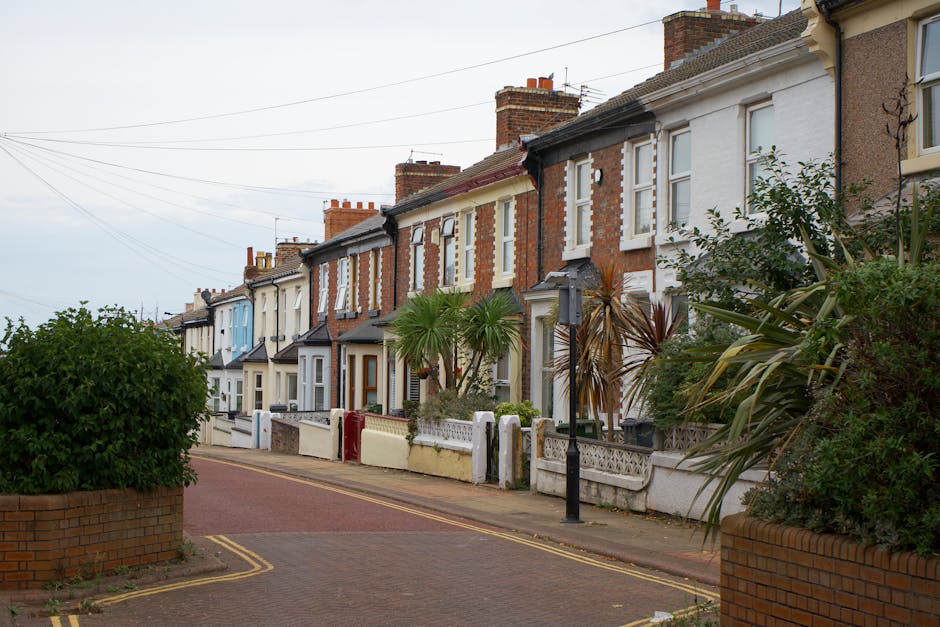
If you run a shop, cafe, or office near Upper Street, you already know the outside of the building does a lot of talking before anyone steps inside. Tidy planters, clipped hedges, clean paving, and healthy planting all send a quiet message: this place is cared for. That is exactly where Upper Street Islington commercial gardeners for shops and offices come in. They help keep frontage areas, courtyards, entranceways, and shared green spaces looking professional without turning garden care into another headache on your list.
For businesses in a busy part of London, the challenge is rarely just "keeping plants alive." It is timing, access, safety, presentation, and working around customers, staff, deliveries, and foot traffic. This guide breaks down what commercial gardening service actually involves, how it works in practice, and what to look for if you want a reliable, good-looking result rather than a patchy one.
Contents
- Why Upper Street Islington commercial gardeners for shops and offices Matters
- How Upper Street Islington commercial gardeners for shops and offices Works
- Key Benefits and Practical Advantages
- Who This Is For and When It Makes Sense
- Step-by-Step Guidance
- Expert Tips for Better Results
- Common Mistakes to Avoid
- Tools, Resources and Recommendations
- Law, Compliance, Standards, or Best Practice
- Options, Methods, or Comparison Table
- Case Study or Real-World Example
- Practical Checklist
- Conclusion
- Frequently Asked Questions
Why Upper Street Islington commercial gardeners for shops and offices Matters
Upper Street is one of those places where details matter. A narrow frontage with tired shrubs or a messy planter can make a business look neglected, even if everything inside is spotless. On the other hand, well-kept planting gives a sense of order and confidence. It can make a shop feel more inviting, soften an office entrance, and help a property look like it is being actively managed rather than merely occupied.
Commercial garden care also matters because these spaces are used differently from private gardens. A small strip of planting outside an office may deal with more trampling, litter, and shade than a suburban border ever would. A shopfront planter might be exposed to bike movement, delivery activity, and weather that seems to switch every fifteen minutes. Truth be told, planting in busy London streets has to be tougher than it looks.
There is also a practical side. Overgrown hedges can block signage. Dead plants can make entrances feel unwelcoming. Weeds in paving joints can become a trip concern and look untidy very quickly. Regular commercial garden maintenance reduces these issues before they become visible to customers or staff.
If your business has exterior green space, it is worth treating it as part of the customer experience, not an afterthought. For many premises, consistent upkeep is easier and cheaper than letting everything drift and then calling for a major reset. Services such as garden maintenance and lawn mowing are often the backbone of that kind of routine care.
How Upper Street Islington commercial gardeners for shops and offices Works
Commercial gardening for businesses is usually planned around a schedule, a site layout, and the level of use the space receives. It is not just "turn up and cut things back." A good service starts with an assessment of what is there, what needs attention now, and what needs ongoing care through the seasons.
In a typical setup, the gardener or landscape team looks at access, the type of planting, light levels, drainage, soil condition, and any hard landscaping around the space. For example, a shop front with planters in bright sun needs very different treatment from an office courtyard where plants get shade for most of the day. The same goes for hedges, lawns, decked terraces, and mixed planting beds.
From there, the work may include:
- regular plant and border maintenance
- hedge trimming and shaping
- lawn cutting and edging
- clearance of weeds, litter, and leaf fall
- seasonal pruning and tidy-ups
- care of containers, planters, and frontage displays
- small improvements to layout or planting structure
Some businesses only need light routine visits. Others need a more complete package, especially where the site has multiple access points, shared courtyards, or larger green areas behind the building. If the outdoor space has become overgrown or cluttered, a one-off garden clearance can be the clean starting point before a maintenance schedule begins.
It is usually best to think in layers. First comes the reset. Then the routine. Then the seasonal improvements. That approach tends to deliver better-looking results and fewer surprises. And yes, that matters when the pavement outside your door gets busy by 8:30 a.m.
Key Benefits and Practical Advantages
The value of commercial gardening is not just visual, although that is the part most people notice first. There are several practical advantages for shops and offices on or near Upper Street.
- Better first impressions: A neat frontage makes the whole premises feel more welcoming.
- Reduced risk of neglect: Regular visits catch weeds, overgrowth, and plant decline early.
- Safer access: Clear walkways, trimmed growth, and tidy edges help reduce hazards around entrances.
- Brand support: Attractive outdoor space reinforces a professional image.
- Seasonal resilience: Plants and borders handled regularly cope better with weather swings and city stress.
- Less internal workload: Staff do not have to improvise plant care or chase a last-minute tidy-up before a client visit.
There is also a subtle but important benefit: consistency. One-off work can make a place look good for a week. Ongoing maintenance keeps it looking good most of the time, which is what people actually experience. That steady look can make a bigger difference than a flashy seasonal overhaul.
For businesses with stronger visual requirements, such as hospitality, retail, or professional services, landscaping support can also help shape how the property is perceived. Sometimes a small change to planting density, edge definition, or path line makes the whole frontage feel more intentional. If a broader refresh is needed, landscape gardening and landscaping services can be useful when the aim is to improve both appearance and function.
Who This Is For and When It Makes Sense
This kind of service is a good fit for any business that has outdoor planting, a visible entrance, or shared exterior space that customers or staff can see. That includes:
- retail shops and boutiques
- cafes, restaurants, and takeaways with frontage planting
- small offices and professional practices
- co-working spaces
- medical, wellness, or consultancy premises
- managed buildings and mixed-use properties
- ground-floor units with planters, hedges, or small lawns
It makes sense when the space has become difficult to keep up with internally, or when you want a more polished look without committing staff time to it. To be fair, most businesses do not have someone on hand who can distinguish between a healthy prune and a destructive one. That is where a professional helps.
It is especially useful if your business has any of the following:
- regular customer footfall
- a visible street-facing frontage
- shared outdoor areas with neighbours or landlords
- planting that needs seasonal attention
- hedges or trees that affect light, privacy, or sightlines
Some businesses only realise they need support after a spell of rain, heat, or holiday absence. Then suddenly the planters are a bit wild, the weeds have moved in, and the place looks less "calm professional office" and more "forgotten corner by the bins." Happens all the time.
Step-by-Step Guidance
If you are trying to organise commercial garden care for a shop or office, a sensible process keeps things smooth. Here is the practical version.
- Walk the site properly. Look at the frontage, side access, rear yard, courtyards, and any shared green areas. Note what is visible to customers and what is hidden but still important.
- Decide what needs routine care. Separate ongoing tasks from one-off recovery work. Some spaces need weekly tidying; others only need monthly or seasonal maintenance.
- Identify problem areas. Is there overgrowth near signage? Poor drainage? A hedge that is getting too wide? Uneven planting? Be specific.
- Set a realistic schedule. A good schedule should reflect how often the space gets used, what grows quickly, and how visible the area is.
- Choose the right service mix. For example, routine maintenance may be enough at first, but a site with heavy overgrowth may also need clearance, hedge work, or tree attention.
- Agree access and timing. Commercial work often happens early, late, or between customer peaks. That reduces disruption and keeps the site more presentable.
- Review the result after a few visits. The best plan is the one that adapts. Maybe the planting needs more mulching, maybe the lawn is under stress, maybe the hedge needs less frequent cutting. Small adjustments matter.
A practical note: if a site is badly cluttered or the green areas have been ignored for a while, it is usually smarter to start with a clean-up before moving into maintenance. That gives everyone a proper baseline. No point trimming around old mess if the bigger issue is still sitting there.
Expert Tips for Better Results
Here is where experience tends to save time and money. Not in a dramatic way, just in the steady, unglamorous sense that makes jobs run better.
1. Keep plant choice realistic. For busy commercial sites, tough and predictable planting usually works better than delicate species that need constant coddling. Plants should suit shade, foot traffic, wind exposure, and the amount of care the site will actually receive.
2. Think in terms of visibility. The most important zone is often the first few metres from the pavement or entrance. That is where the eye lands first, especially for shoppers and visitors walking past at speed.
3. Match the maintenance level to the business rhythm. A quiet office courtyard may need different treatment from a cafe terrace where people are moving in and out all day. Don't just copy a neighbour's schedule.
4. Use edges and lines well. Clean borders, clipped hedges, and straight mowing lines can make even a modest space look sharper. It sounds small. It really isn't.
5. Plan for the seasons. Spring growth, summer dryness, autumn leaf fall, and winter dieback all require different responses. Commercial sites that stay on top of the seasonal rhythm always look less scruffy.
6. Include sustainability in the brief. Good green waste handling, careful plant selection, and sensible water use are not just nice extras. They help the site work better over time. If that matters to your organisation, it is worth asking about recycling and sustainability practices from the start.
7. Don't let maintenance become invisible. If no one checks the space for a few months, small problems compound. A quick walkaround every so often makes a big difference. Honestly, a five-minute look can save a lot of drama.
Expert summary: the best commercial garden care is rarely the most dramatic. It is the kind that keeps the place tidy, predictable, and quietly well run, week after week.
Common Mistakes to Avoid
Commercial outdoor spaces often fail for ordinary reasons, not big ones. That is actually good news, because ordinary mistakes are fixable.
- Leaving it too long between visits. Once growth gets away from you, the site starts needing corrective work instead of simple upkeep.
- Ignoring access issues. If gardeners cannot reach beds, planters, or bins safely, the work will always be slower and less effective.
- Overlooking the hidden areas. Rear yards, service spaces, and side passages still affect how a business feels overall.
- Choosing plants for appearance only. A plant that looks lovely in a showroom may be a pain outside a windy shopfront.
- Mixing garden care and tidy-up duties without a plan. Litter removal, pruning, and planting maintenance are related but not identical.
- Not defining standards. If nobody agrees what "tidy" means, expectations drift. Then everyone is vaguely disappointed, which is the worst kind of disappointment.
Another common issue is assuming one contractor can fix everything in one visit. Sometimes they can, but often the right answer is a phased approach. First make it presentable. Then make it sustainable. That is usually the smarter route.
Tools, Resources and Recommendations
You do not need to know every tool in a gardener's kit, but it helps to understand the basics so you can judge whether a proposal is sensible. Commercial teams commonly use hedge cutters, professional mowers, pruning tools, safety equipment, edging tools, and clearance gear. For larger or more demanding work, the right equipment matters just as much as skill.
For business premises, a few resources are especially useful:
- A simple site plan: even a rough sketch helps identify access points and priority zones.
- Photographs before and after work: useful for tracking seasonal changes and keeping stakeholders aligned.
- A maintenance calendar: helps avoid the "we forgot about the hedge until it covered the sign" problem.
- Budget notes: helpful when deciding between routine upkeep and a larger one-off reset.
Where the site includes lawned areas, consistent cutting and edge care go a long way. Where there are hedges, regular shaping keeps them from becoming over-dominant. If the property needs a more defined structure, features like terraces, paths, or timber surfaces may also be part of the overall plan, which is where decking services can support a better-used outdoor space.
It can also help to review the wider service range before you commit. A full overview such as services overview is useful when you want to see how maintenance, trimming, clearance, and landscape work might fit together.
Law, Compliance, Standards, or Best Practice
For commercial premises, garden work is not only about appearance. It also touches on safety, access, and responsible working practices. The exact obligations will depend on the site, who owns it, and what kind of work is being carried out, so it is wise to treat compliance carefully rather than casually.
At a practical level, businesses should expect any contractor working on-site to follow sensible health and safety practices, use equipment appropriately, and avoid creating avoidable hazards during work. That includes safe handling of tools, keeping paths clear where possible, and being careful around customers, staff, and deliveries.
It is also reasonable to ask about insurance and general site safety arrangements before any work begins. For business premises, this is not overcautious; it is normal. A contractor should be able to discuss how they approach risk, access, and working around the public. If those details feel vague, that is a warning sign.
Waste handling matters too. Green waste should be managed responsibly, and where possible recycled or disposed of in line with good environmental practice. A site that values lower waste and cleaner working methods may want to review health and safety policy information alongside insurance and safety details before agreeing a schedule.
Best practice also means being clear about privacy and building access where relevant, especially for offices and shared premises. If you are dealing with a provider for the first time, it is sensible to review their business terms and payment expectations too. That keeps everyone aligned from day one.
Options, Methods, or Comparison Table
Not every business needs the same level of care. Sometimes the right option is a light touch; sometimes it is a fuller service with seasonal interventions. The table below gives a simple comparison.
| Approach | Best For | What It Usually Includes | Typical Upside |
|---|---|---|---|
| Light routine maintenance | Neat sites with manageable planting | Weeding, tidying, basic cutting, quick plant checks | Keeps the frontage presentable without heavy disruption |
| Scheduled commercial gardening | Shops and offices with regular footfall | Planned visits, hedge work, mowing, seasonal care | More consistent appearance and fewer surprises |
| One-off clearance and reset | Overgrown or neglected spaces | Cut-back, clearance, waste removal, basic re-ordering | Fast way to regain control before moving to routine care |
| Improvement-led landscaping | Sites needing a better layout or more useful outdoor space | Restructuring, planting changes, hardscape adjustments | Can improve both presentation and usability |
If you are unsure where your property fits, think about how the space looks on a wet Monday morning, not just after a tidy-up. That is the real test. A site that still looks respectable in poor weather and midweek traffic is usually the one that has the right level of care.
Case Study or Real-World Example
Here is a realistic example based on the kind of challenge many Upper Street businesses face.
A small office with a street-facing entrance had a narrow planting strip and two large planters by the door. The area looked fine in spring, then drifted. By late summer, the hedge had started to obscure part of the signage, the planters were uneven, and weeds were creeping into the edges. Nothing was disastrous. Just untidy enough to be noticed.
The fix was not complicated. First, the site was cleared back and the worst growth removed. Then the hedge was reshaped, the planters were refreshed, and the paving edges were cleaned up. After that, the business moved onto a lighter routine maintenance schedule, with visits timed to keep the front entrance looking neat before the busiest visitor days.
The interesting part? The office team said people seemed to slow down at the entrance a bit more after the work was done. No big fanfare, no grand announcement. Just a better-feeling approach to the building. These little things stick.
Practical Checklist
Use this checklist if you are arranging commercial gardening for a shop or office on Upper Street.
- Confirm which areas are visible to customers and staff
- List current problems: weeds, overgrowth, poor planting, dead material, litter, access issues
- Decide whether you need clearance, maintenance, or improvement work
- Check how often the site should be visited
- Make sure working times suit trading or office hours
- Ask how waste will be handled and removed
- Review safety and insurance expectations
- Set a realistic budget and review it against the level of visibility the site has
- Keep a record of seasonal changes and recurring issues
- Reassess after the first few visits and adjust the plan if needed
Quick takeaway: the most successful commercial garden care plans are simple, scheduled, and specific. The more clearly you define what good looks like, the easier it is to keep it that way.
Conclusion
Upper Street is a place where presentation matters, and outdoor areas are part of that picture whether you are running a shop, an office, or a mixed-use premises. Good commercial gardeners do more than trim things back. They help you keep the space usable, safe-looking, and in step with the rest of the business. That kind of steady care quietly supports the whole property.
If your frontage, planters, hedges, or shared outdoor spaces are starting to feel harder to manage, the best next step is usually a straightforward assessment and a realistic plan. From there, maintenance becomes manageable again. No drama. Just a space that looks looked after, which is really what you want.
Get a free quote today and see how much you can save.
And if you are still weighing up your options, a bit of calm, practical garden care now can save a lot of scrambling later. That is often the real win.
To learn more about the people behind the service, you can also visit the about us page, or get in touch through the contact us page when you are ready to talk things through.
Frequently Asked Questions
What do commercial gardeners do for shops and offices?
They maintain the outdoor areas that customers, tenants, and staff see every day. That can include mowing, hedge trimming, weeding, planting care, clearance work, and seasonal tidying. The exact mix depends on the site and how often it needs attention.
How often should a shop frontage be maintained?
It depends on plant growth, foot traffic, and the level of visibility. Some frontages need weekly or fortnightly attention, while quieter or simpler spaces may only need monthly visits. The key is consistency rather than waiting until the space looks tired.
Is a one-off clearance enough for a business property?
Sometimes it is, especially if the space has become neglected and needs a reset. But if the area is visible to the public, a one-off job usually works best as the starting point for an ongoing maintenance plan.
What is the difference between landscaping and garden maintenance?
Maintenance keeps an existing space tidy and healthy. Landscaping usually involves making bigger changes to layout, structure, planting, or hard surfaces. In simple terms, maintenance keeps things going; landscaping changes how the space works.
Can commercial gardeners work around trading hours?
Yes, they usually can. Many commercial jobs are planned for early mornings, quieter periods, or times that reduce disruption to customers and staff. It is one of the reasons commercial work is a bit different from domestic garden care.
What should I ask before booking commercial garden work?
Ask what will be included, how often visits will happen, how waste will be removed, what access is needed, and how the team handles safety on a public-facing site. Those questions save a lot of confusion later.
Do offices need the same level of care as retail premises?
Not always. Offices may have less foot traffic but still need a professional exterior, especially if they host clients or visitors. The right level of care depends on visibility, layout, and how much the outdoor space contributes to the building image.
What if the site has hedges or small trees?
Then trimming and, where needed, careful tree work may be part of the service. Hedges can quickly affect appearance and light, while small trees can become awkward if left unattended. In some cases, a specialist service such as tree lopping and removal may be appropriate, though only when the work is genuinely needed.
How do I know if I need garden maintenance or landscaping?
If the space is basically fine but just needs regular care, maintenance is usually the right fit. If the area is awkward, underused, or not working well, landscaping may be better. A quick site review usually makes the answer clearer.
Are commercial gardening services useful for small premises?
Yes, absolutely. Small frontages often make a bigger impression than people expect because every detail is visible. A tiny planter, if well kept, can say more about a business than a much larger space that looks neglected.
What kind of businesses benefit most from this service?
Shops, cafes, offices, and mixed-use buildings tend to benefit most, especially if the outdoor area is visible from the street. Any business that wants to look reliable, organised, and well cared for can gain something from proper exterior maintenance.
How do I start if the area is overgrown?
Start with a clearance or reset, then move into routine maintenance. That sequence is usually the cleanest and most cost-effective way to get a site back under control without trying to solve everything in one heavy-handed visit.